
Landscape Design Strategies

Start your design with a strategy in mind. Each approach below shapes the plants, materials and layout of your landscape plan.

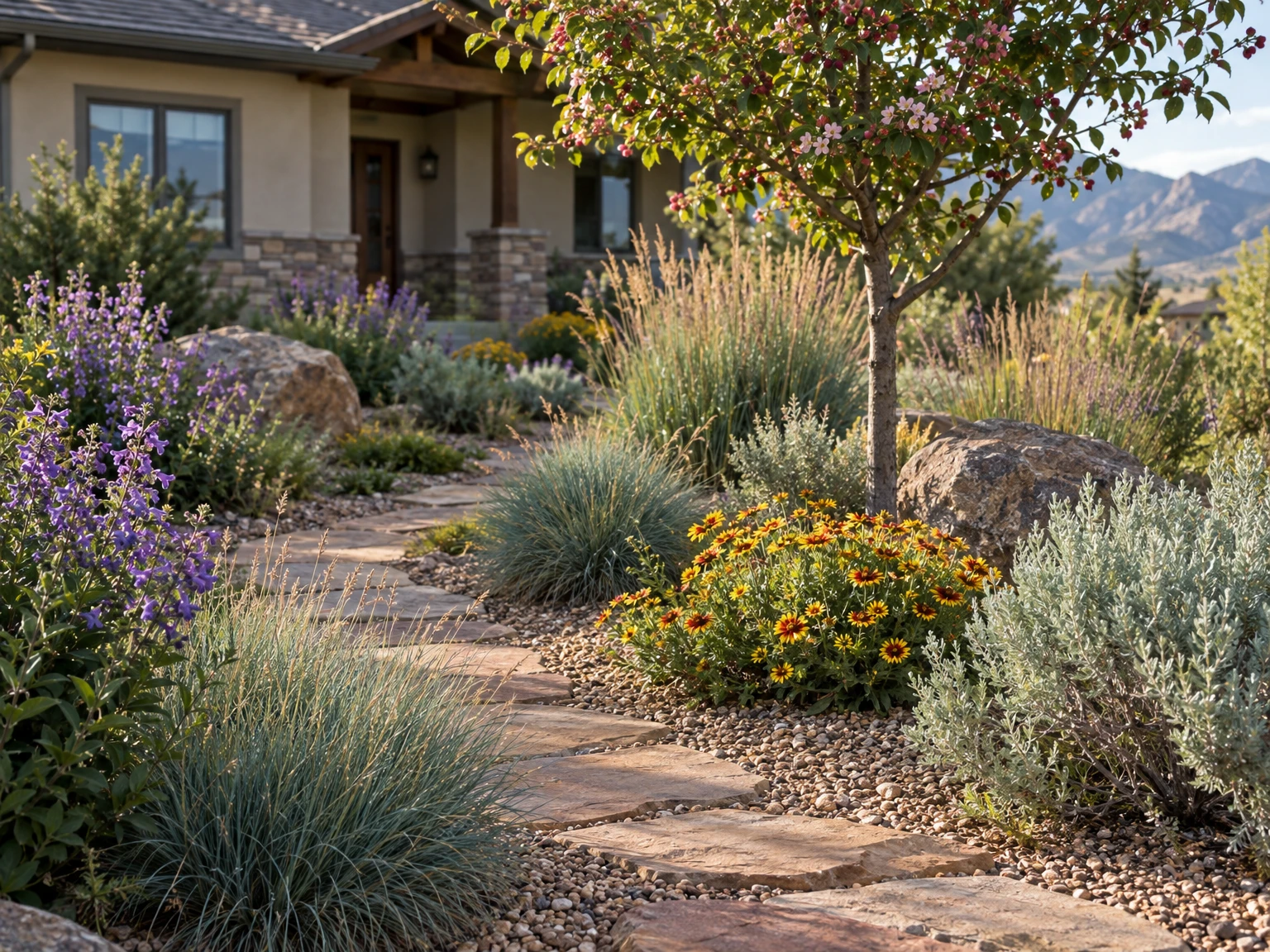
A Front Range front yard planted with native grasses, penstemon and blanket flower along a flagstone path

Water-Wise Design

Water-wise design, often called xeriscaping, plans a landscape around how much water it really needs. It groups plants by their water needs, chooses drought-tolerant and native species, limits turf to the areas you actually use, and relies on mulch, gravel and efficient irrigation to keep water where roots can use it. The result is a yard that holds up through dry Colorado summers and asks less of you to maintain.

Design my landscape with this strategy
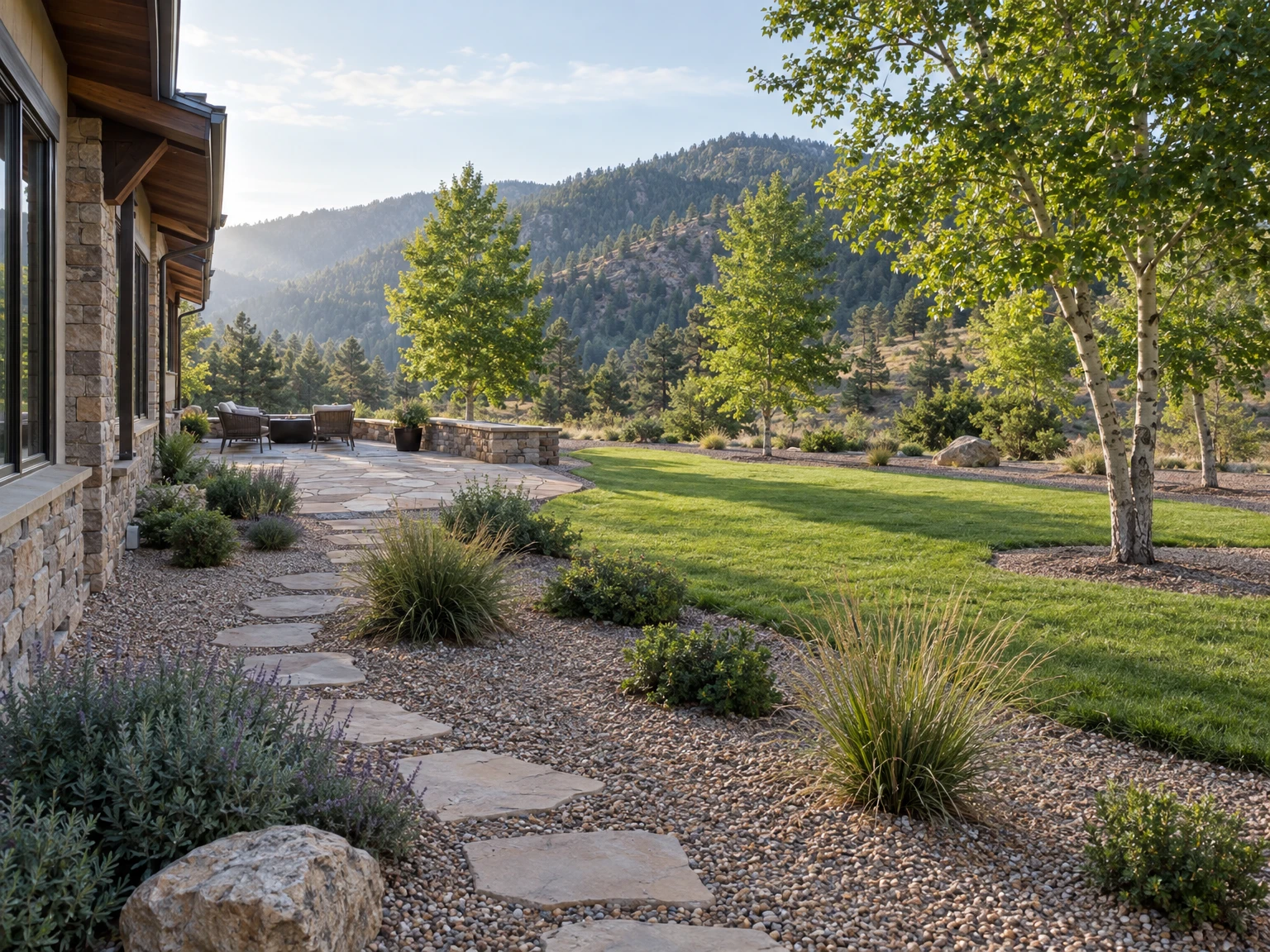
A foothills home with a gravel and flagstone border beside the house, spaced shrubs and a lawn beyond

Firewise Design

Firewise design arranges plants and materials so there is less for fire to work with around your home. It favors low-flammability plants, keeps shrubs and trees spaced apart, clears away dead growth, and uses stone, gravel, pavers and other non-combustible surfaces closest to the house. No landscape makes a home fireproof, so treat your design as a starting point and check with your local fire authority about defensible space for your property.

Design my landscape with this strategy
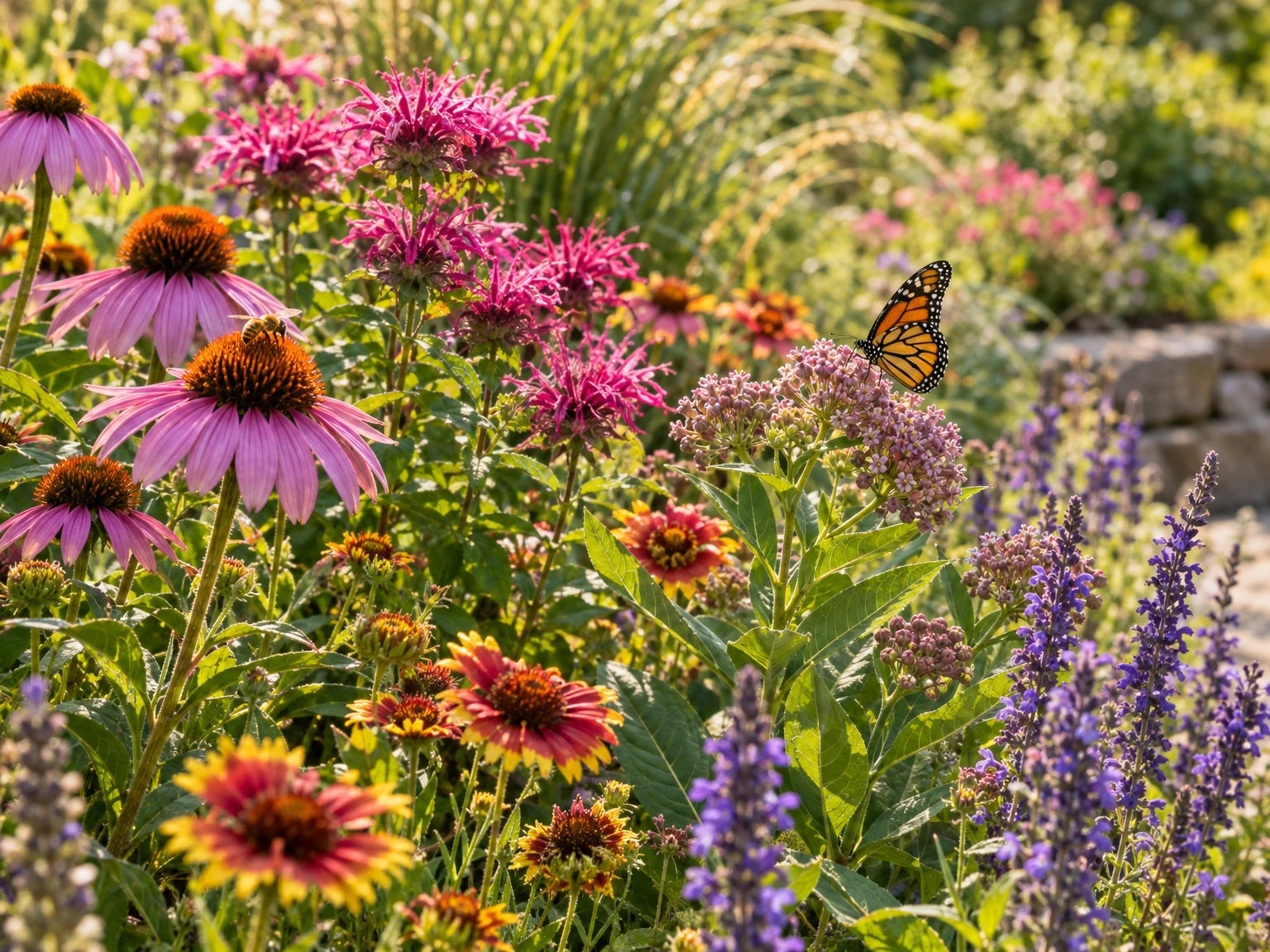
Coneflower, bee balm, milkweed and salvia in bloom with a bee and a monarch butterfly

Attracting Pollinators

A pollinator landscape is planted for the bees, butterflies and other insects that visit flowers. It layers native and well-adapted perennials, grasses and shrubs so something is in bloom from spring through fall, groups plants in drifts that are easy for pollinators to find, and leaves space for nesting and shelter. It is a yard that is as lively as it is beautiful.

Design my landscape with this strategy

Not sure which fits your yard?

Describe your yard and we will create a free design concept to look at.

Start your free preview